
A static grass applicator works by charging grass fibers with a small electric current so they stand upright and embed into wet glue instead of lying flat, and yes, it genuinely does what it claims. Sprinkling static grass on by hand leaves fibers lying in random directions and clumping unevenly. An applicator with a mesh screen and a static charge makes every fiber stand on end and root into the glue, which is the difference between a base that reads as a lawn and one that reads as scattered confetti.
How the tool actually works
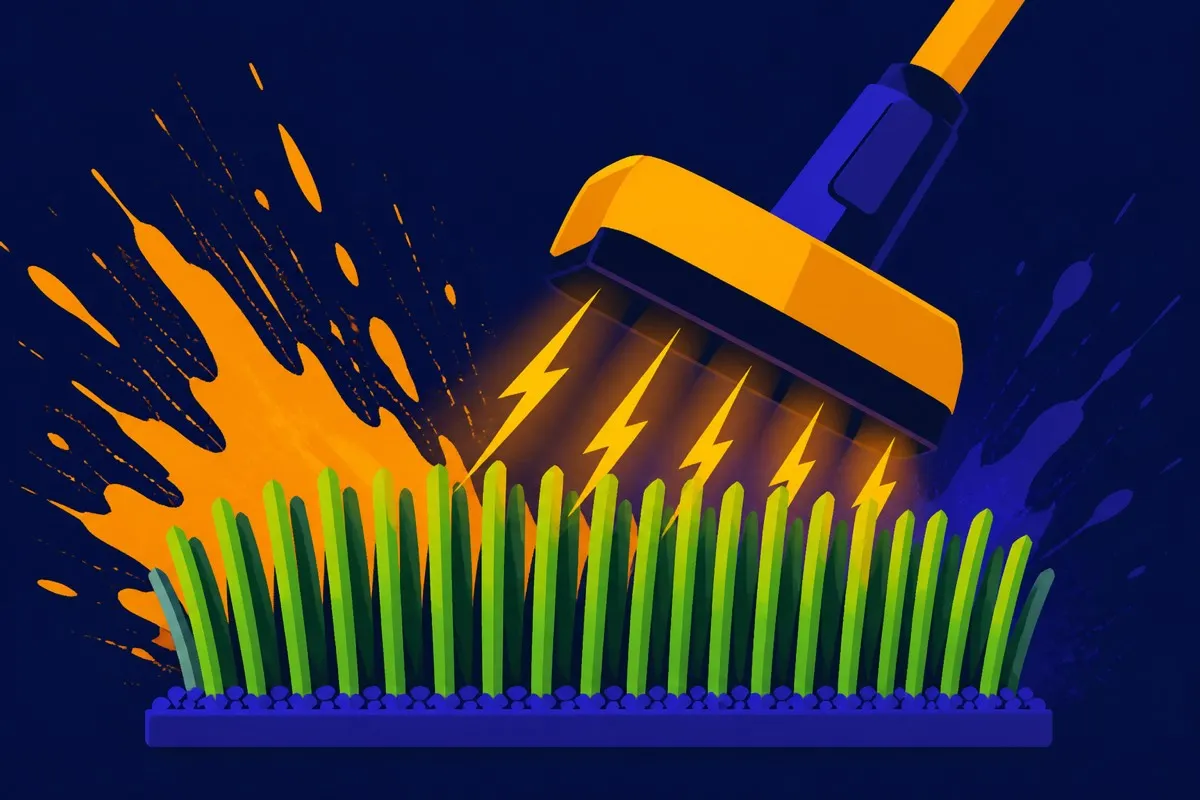
A static grass applicator holds a small charge across a mesh screen. When you load fiber into the screen and squeeze the trigger, the charge pushes the fibers apart and gives them an upright orientation as they fall onto the glued area. The base needs to be wet with a slow-drying glue when the grass lands, since the fibers need time to root into the adhesive before it sets. Most applicators work on batteries and cover a base in a few seconds once the technique is dialed in, which is faster than it sounds for anyone who has tried building up static grass by hand with a brush and a lot of patience.
Is it worth buying one over hand application?
For anyone basing more than a handful of models, yes. Hand-applied static grass, sprinkled from a pot with no charge behind it, tends to lie flat or clump in patches, and it is difficult to get consistent coverage across a full army's worth of bases. An applicator solves both problems at once and pays for itself quickly once you are basing more than a few dozen models, since the tool is reusable indefinitely while the grass fiber itself is the actual consumable you keep buying.
Building a full basing scheme
Static grass rarely stands alone on a finished base. It usually sits on top of a texture layer that gives the base its ground color and roughness before any grass goes down.
- Ground texture: Citadel's technical paints like Mordant Earth and Stirland Mud are built specifically for this step, adding a textured, colored ground layer in one coat that dries with visible grain.
- Basing rocks: Small stones or slate chips scattered before the grass step add scale and break up an otherwise flat texture, especially on larger bases where grass alone can look sparse.
- Static grass fiber: Applied last, over dried texture paint and fresh glue, using the applicator to root the fibers upright.
This layered order matters. Grass applied directly onto bare plastic without a texture layer underneath tends to look flat and unfinished, because the base has no visual depth for the grass to sit into.
What to look for in an applicator
Coverage area and charge strength are the two things that matter most. A wider mesh screen covers more surface per squeeze, which speeds up basing a full army, while a stronger charge gives the fibers a more pronounced upright stand rather than a slight lean. Battery-powered handheld models are the standard for hobbyists working on individual bases, and they are widely available as a static grass applicator(affiliate link) built specifically for this scale of work rather than the larger terrain-focused units aimed at model railroaders.
Common mistakes that make grass look wrong
Using glue that dries too fast is the most common issue, since the fibers need a window of time to stand and root before the surface sets. A slower-drying white glue or a dedicated basing adhesive gives better results than a fast-tack super glue. Overloading the applicator with too much fiber at once also causes clumping rather than an even spread, so several light passes beat one heavy one. Finally, skipping the ground texture step underneath leaves the grass with nothing to visually anchor into, which reads as pasted-on even when the fibers themselves are standing upright correctly.
FAQ
Do static grass applicators actually make a difference over hand application?
Yes. The static charge orients fibers upright instead of letting them lie flat or clump, which is the main visual difference between a convincing grass base and a scattered one.
What glue works best with static grass?
A slow-drying white glue or basing-specific adhesive works best, since the grass fibers need time to stand and root before the glue sets. Fast-tack glues can lock fibers at odd angles.
Do I need a texture layer under static grass?
It is not strictly required, but bases with a ground texture like Mordant Earth or Stirland Mud underneath the grass look considerably more finished than grass applied over bare plastic.
Can basing rocks be used with static grass?
Yes, and they usually go down before the grass step. Scattering rocks or slate chips first, then adding texture and grass around them, gives a base more visual variety than grass alone.
Is a static grass applicator worth it for just a few models?
If you are only basing a handful of miniatures, hand application with patience can work well enough. The applicator earns its cost once you are basing enough models that consistency and speed start to matter.